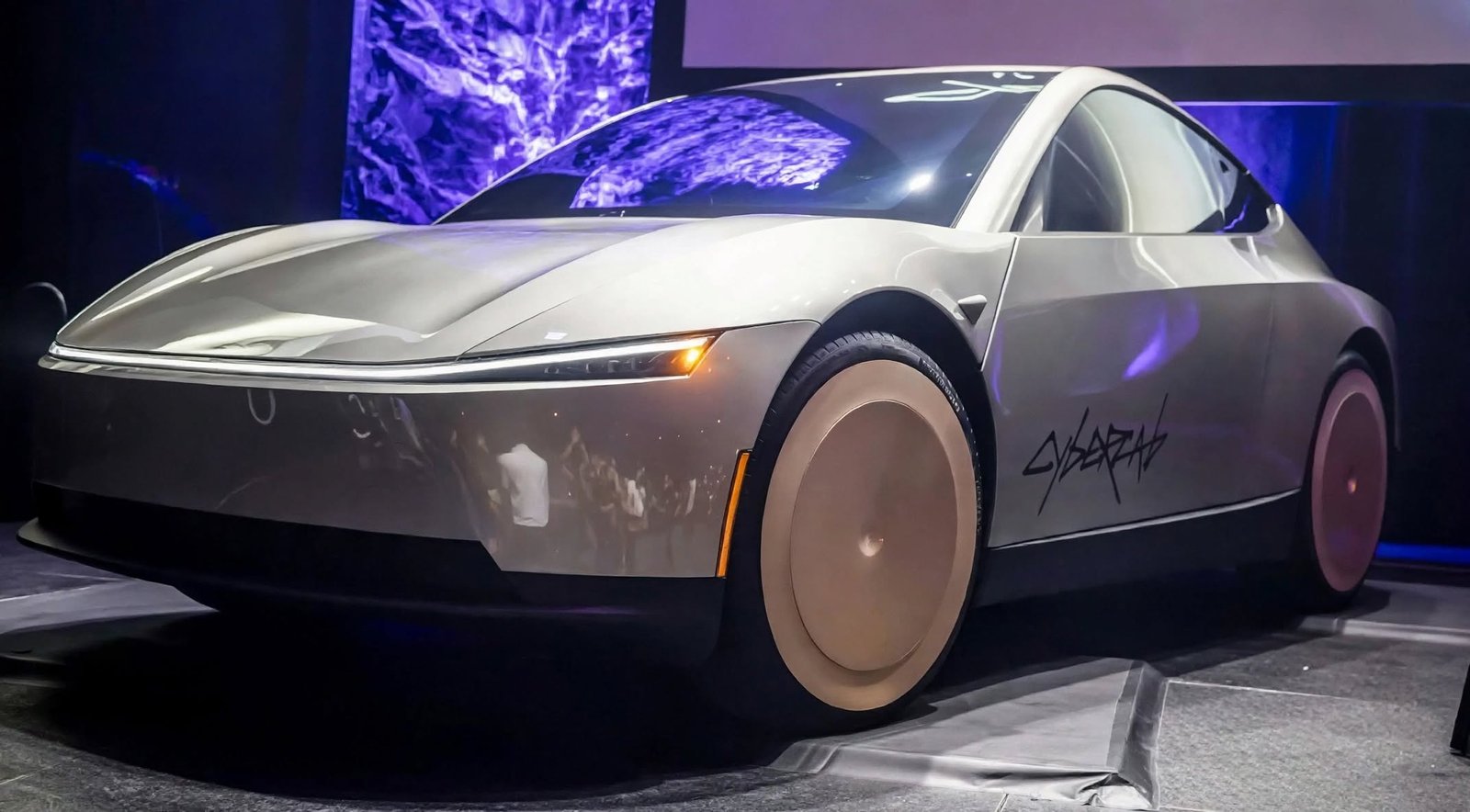
The Tesla Cybercab is no longer a concept-car curiosity — it’s on American streets. After Tesla’s invitation-only Austin event on September 3, 2026, and Elon Musk’s own confirmation that the vehicle has “no steering wheels or pedals,” the two-seat robotaxi has moved from stage prop to daily reality for a growing number of riders in Texas. For anyone following the future of transportation in the USA, the Cybercab is the clearest signal yet that fully driverless cars are arriving faster than most people expected.
What Is the Tesla Cybercab?
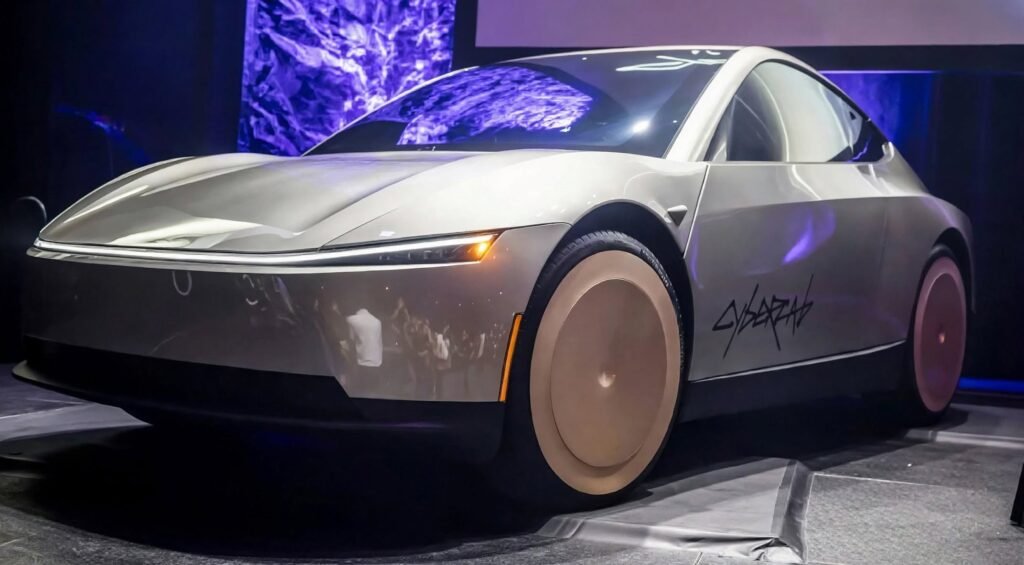
The Cybercab is Tesla’s purpose-built robotaxi — a compact, two-seat vehicle with butterfly-style doors, no side mirrors, no rear window, and, most notably, zero manual driving controls. There’s no steering wheel. There’s no brake pedal. There’s no accelerator. Every input, every turn, every stop is handled entirely by Tesla’s AI4 computer and its camera-based Full Self-Driving (FSD) software stack.Instead of a driver’s cockpit, occupants face a single central touchscreen reminiscent of the interior found in the Model 3 and Model Y. The design philosophy is simple: if a human is never meant to drive the car, why build a cabin around a human driver at all?
Why Tesla Removed the Steering Wheel?
Musk has been direct about the reasoning. According to his public statements following the Austin rollout, Cybercabs are “designed and built for maximally efficient autonomous operation.” In plain terms, Tesla is betting that removing manual controls isn’t just a styling choice — it’s the foundation of the entire robotaxi business model.There’s a financial logic here too. A cabin with no pedals, no steering column, and no dashboard instrument cluster is cheaper to manufacture and easier to package for two passengers plus cargo. Tesla has previously targeted a price point near $30,000 for the Cybercab, dramatically undercutting the cost of a human-driven rideshare vehicle over its lifetime, since there’s no driver to pay.
From Concept to Public Roads
The Cybercab was first unveiled at Tesla’s “We, Robot” event back in October 2024, alongside the larger Robovan. Since then, the company has moved through several visible milestones:
Closed-course testing for invited guests in California in late 2024
Employee and internal fleet testing across multiple U.S. markets
The first Cybercab rolling off the line at Gigafactory Texas in early 2026
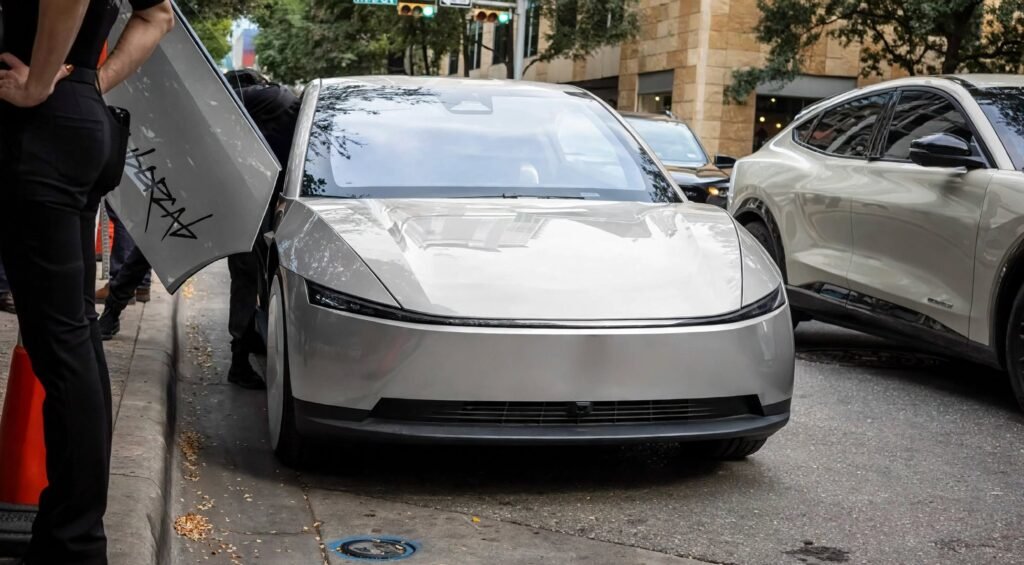
Driverless Cybercabs spotted on public streets in downtown Austin, filmed by everyday residents
A formal public launch event in Austin on September 3, 2026, folding the Cybercab into Tesla’s existing Robotaxi network
That existing network already runs driverless Model Y vehicles in limited zones across Austin, Dallas, Houston, Miami, Orlando, and Tampa. The Cybercab is now joining that fleet rather than launching as a standalone product — a strategy that lets Tesla lean on regulatory groundwork it has already laid with its Model Y robotaxi service.
The Big Question: Is It Actually Legal?
Here’s where “no problem” turns into “big problem” for regulators. A vehicle with no steering wheel and no pedals cannot legally operate under most current U.S. traffic laws, which were written assuming a licensed human driver can take over at any moment. Because the Cybercab offers no way for a human to intervene, federal and state safety regulators must approve the design before Tesla can sell or operate it commercially for the general public.The National Highway Traffic Safety Administration (NHTSA) is reportedly still finalizing a broader rulebook for fully driverless vehicles, with major updates not expected until 2028. In the meantime, Tesla’s September 3 event functioned as a product unveiling and demo — not a green light from regulators. Attendance was tightly controlled: guests had to be at least 21 years old, pass ID checks, and, according to reports, agree not to record or share certain details from the event.Some markets are already pushing back. New York, for example, has moved to halt robotaxi expansion plans, underscoring how uneven the regulatory landscape remains state by state.
What This Means for American Drivers and Riders?
For everyday consumers across the U.S., the Cybercab represents a genuine inflection point rather than a marketing gimmick:Ride-hailing costs could fall. Without a driver’s wages factored into the fare, robotaxi rides could eventually undercut Uber and Lyft pricing in supported cities.City robotaxi zones will expand slowly. Expect limited rollouts in Sun Belt cities with favorable regulations before wider national availability.Trust will be earned incrementally. Public sentiment toward getting into a car with no steering wheel is still developing — many riders will want to see a longer safety track record first.Competitors will respond. Waymo, Zoox, and traditional automakers are all watching closely, and Tesla’s aggressive rollout will likely accelerate the broader robotaxi race in the United States.
No Problem — Or Just Not Yet?
The title says “no problem,” but that’s more provocation than promise. Tesla has built a genuinely radical vehicle — one that removes the driver’s seat concept entirely — and gotten it onto real American roads faster than almost anyone predicted. But the regulatory, safety, and public-trust hurdles are real, and they won’t be solved by a slick Austin unveiling alone.What’s clear is that the Tesla Cybercab has shifted the national conversation about autonomous vehicles from “someday” to “already happening.” Whether it becomes the default way Americans get around cities — or a bold experiment that takes years to scale — will depend on what happens next in Washington and in state capitals, not just at Tesla’s Gigafactory.For now, the Cybercab’s answer to “no steering wheel, no brake pedal” is a confident “no problem.” Regulators, and the American public, are still deciding if they agree.